History of Religion in Zambia

From ancient spiritual traditions to the arrival of world religions, faith has shaped Zambian society for millennia. Explore the rich tapestry of beliefs that continue to guide the nation's moral and cultural compass.

Ancient
Traditional Beliefs
1851
Livingstone Arrives
1905
Catholic Missions
1955
Lumpa Church
1991
Christian Nation
Back to Home

Religion in Zambia tells a story of continuity and transformation. Traditional African spiritual practices, with their reverence for ancestors and nature, formed the foundation. The arrival of Christian missionaries in the 19th century introduced new beliefs that blended with local traditions. Today, Zambia is officially a Christian nation, yet traditional beliefs and other faiths continue to thrive, creating a rich spiritual landscape.

Traditional African Religion
Ancient - Present

Traditional African Religion

Before the arrival of Christianity and Islam, Zambian peoples practiced rich spiritual traditions centred on ancestor veneration, nature spirits, and a supreme creator God known by various names across different ethnic groups.

Key Beliefs

  • Lesa (Bemba), Nyambe (Lozi), Leza (Tonga) - the Supreme Being
  • Ancestors (mizimu) serve as intermediaries with the divine
  • Traditional healers (ng'anga) maintain spiritual balance
  • Sacred groves, rivers, and mountains hold spiritual significance
David Livingstone
1851-1873

David Livingstone & Early Missions

Scottish missionary and explorer David Livingstone arrived in 1851, opening the way for Christianity in the region. His vision of "Christianity, Commerce, and Civilisation" shaped the missionary approach for decades to come.

Legacy

  • First European to see Victoria Falls (1855)
  • Established relationships with Lozi King Sekeletu
  • Campaigned against the slave trade
  • Died at Chitambo (now Kasanka) in 1873
Paris Evangelical Mission
1885 onwards

Paris Evangelical Missionary Society

French Protestant missionaries established a strong presence among the Lozi people of Western Province. Francois Coillard and his wife Christina arrived in Barotseland in 1885, founding missions that transformed the region.

Impact

  • Built schools and churches throughout Barotseland
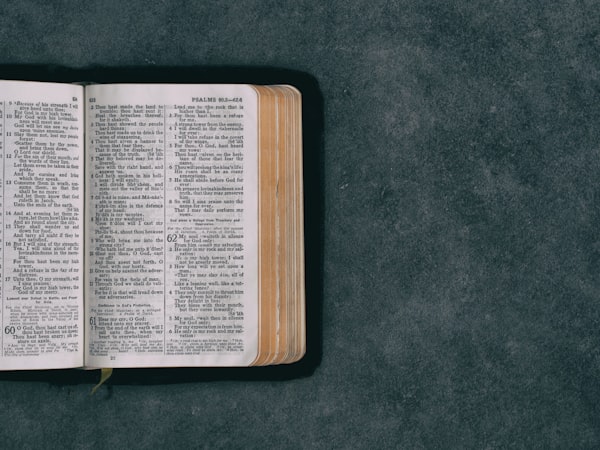
  • Translated the Bible into Silozi
  • Established Sefula Mission (1885)
  • Gained favour with Lozi King Lewanika
Catholic Church in Zambia
1895 onwards

Catholic Missions

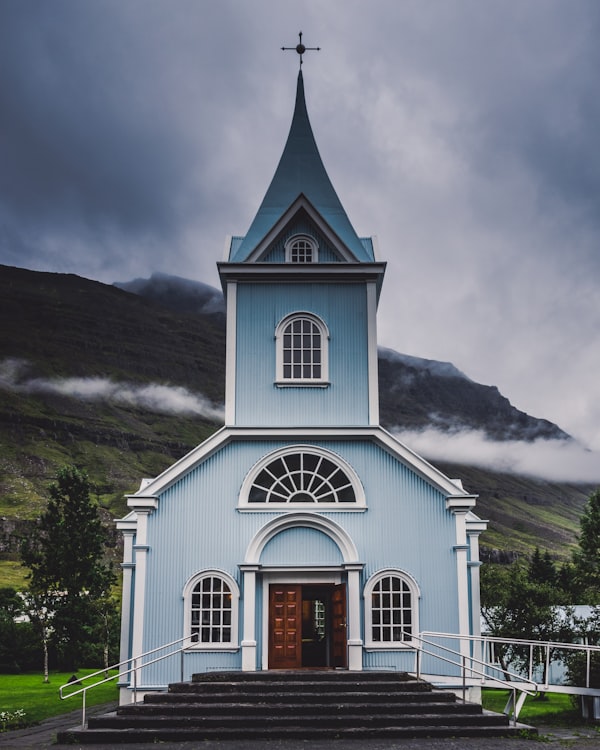
The White Fathers (Missionaries of Africa) and Jesuits established Catholic missions across Northern Rhodesia. They built extensive networks of schools, hospitals, and churches that remain influential today.

Key Missions

  • Chilubula Mission (1899) - among the Bemba
  • Kasisi Mission near Lusaka (1905)
  • Chikuni Mission in Southern Province
  • Archbishop Emmanuel Milingo - renowned healer
London Missionary Society
1883 onwards

London Missionary Society

Following Livingstone's footsteps, the LMS established missions in the region. They focused on education and medical care alongside evangelism, leaving a lasting impact on Zambian society.

Contributions

  • Established Mbereshi Mission in Luapula
  • Founded schools that educated future leaders
  • Trained local pastors and teachers
  • Merged into United Church of Zambia (1965)
Lumpa Church
1955-1964

The Lumpa Church

Founded by prophetess Alice Lenshina in Chinsali, the Lumpa Church became one of the largest independent African churches. At its peak, it had over 100,000 followers before conflict with the government led to its suppression.

Significance

  • Represented African spiritual independence
  • Combined Christian and traditional elements
  • Built impressive cathedral at Kasomo
  • Tragic conflict in 1964 - over 700 killed
Islam in Zambia
19th Century - Present

Islam in Zambia

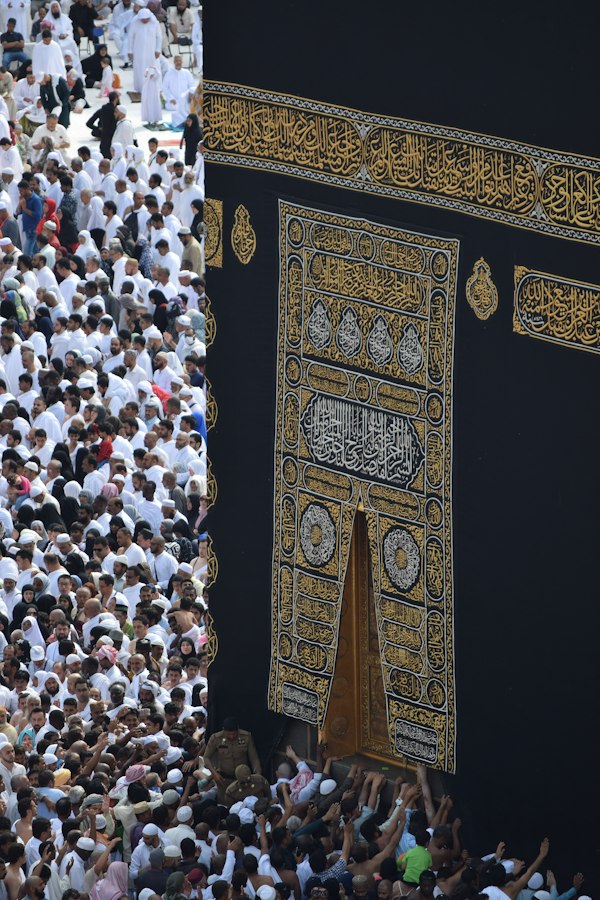
Islam arrived through Arab and Swahili traders from the East African coast. Though a minority faith, Muslims have contributed significantly to Zambian commerce and society, particularly in urban areas.

Presence

  • Arrived via trade routes from Tanzania and Malawi
  • Strong presence in Eastern Province and Lusaka
  • Beautiful mosques in major cities
  • Approximately 5% of population
Christian Nation Declaration
1991

Declaration as a Christian Nation

On 29 December 1991, President Frederick Chiluba declared Zambia a Christian nation - one of the few countries in the world to make such a declaration. This remains enshrined in the constitution's preamble.

Impact

  • Constitution preamble declares Christian values
  • National Day of Prayer established
  • Religious freedom still protected for all faiths
  • Over 95% of Zambians identify as Christian
Pentecostal Churches
1970s - Present

Rise of Pentecostalism

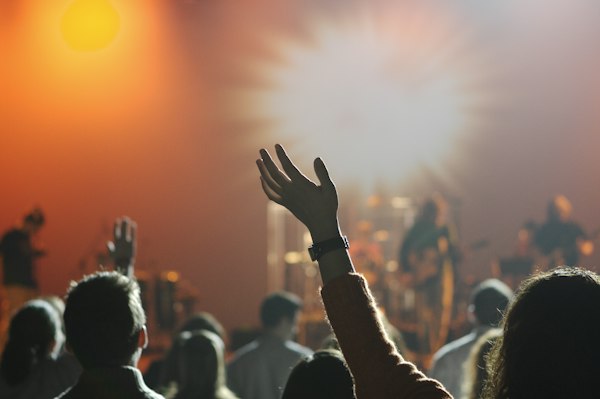
Since the 1970s, Pentecostal and Charismatic churches have grown dramatically in Zambia. These churches, with their emphasis on spiritual gifts, prosperity, and energetic worship, have transformed the religious landscape.

Major Churches

  • Bread of Life Church International
  • Victory Ministries International
  • Northmead Assembly of God
  • Grace Ministries Mission